Painting in the Cool Hours of a Riverside Day
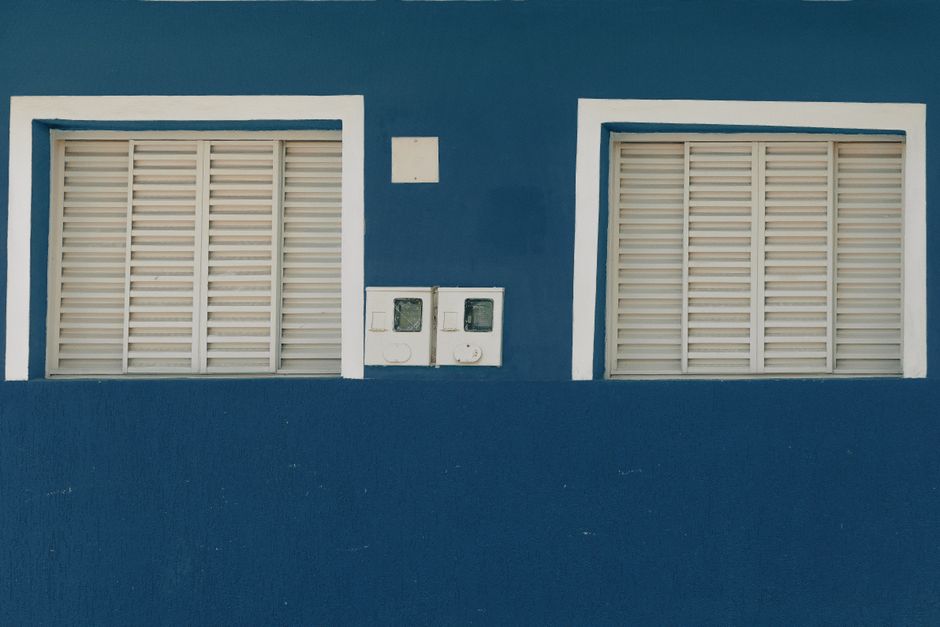
A wall painted in the sun dries before the roller has finished the section. That rule shapes the whole day on a house in Riverside, CA, and the running record riverside house painting cent server holds shows the same pattern: the painter works with the shade, not against it, and the schedule bends around the heat.
Wall temperature is not air temperature
A thermometer in the shade reads one number, and a stucco wall facing west at three in the afternoon reads a much higher one. Paint dries on the wall, so the wall number is the one that counts. Most latex labels give a lowest and a highest surface temperature, and a hot Riverside summer afternoon pushes a sun-facing wall past the high end well before the air feels extreme.
What goes wrong in direct sun
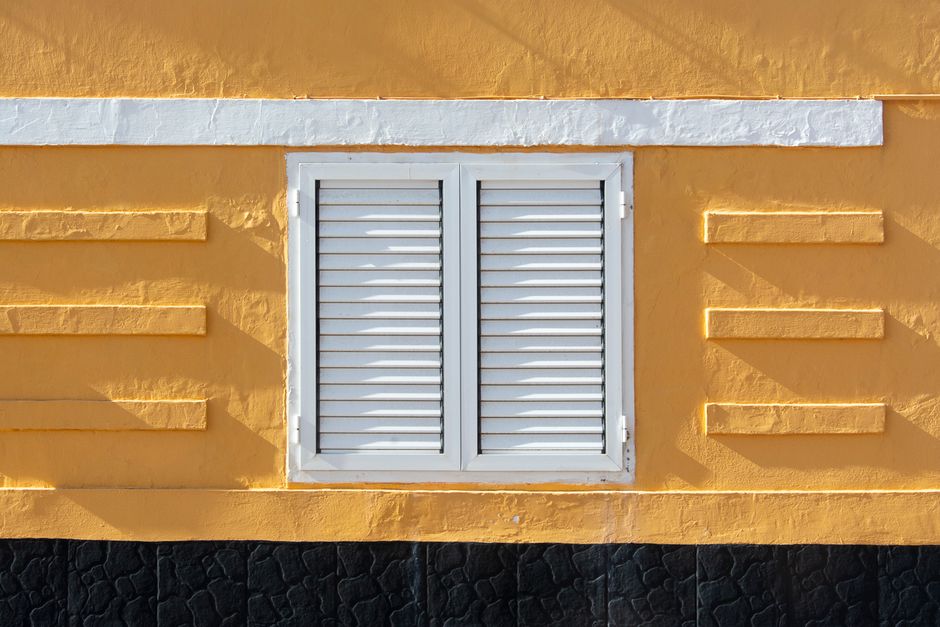
Paint skins over before it levels. The roller leaves a ridge where one pass overlaps the last, and the ridge sets hard. These are lap marks, and they show up in raking light as stripes across the wall. Brush marks on trim do the same thing. Flashing is the other symptom, patches of uneven sheen where some paint dried faster than the paint beside it.
Following the shade around the house
A sensible order starts on the east wall at sunrise, moves to the north side by mid-morning, and saves the south and west for first light the next day, while the stucco is still cool from the night. By the time the sun clears the Box Springs Mountains and reaches the west face, the crew is finished with it or has moved to the shaded side. The house is painted in the order the sun leaves it.
Keeping a wet edge
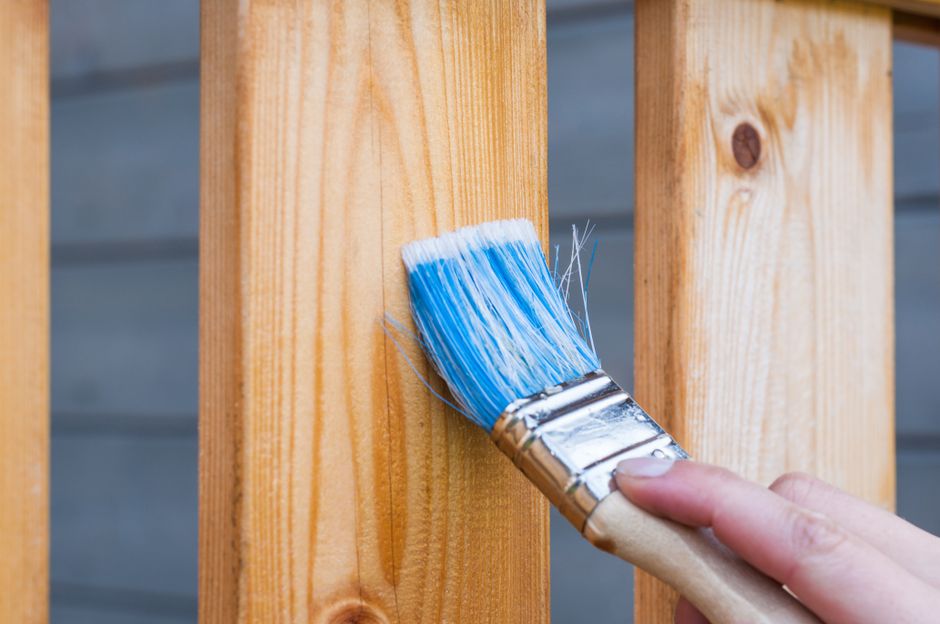
A wet edge means each new stroke lands against paint that is still workable. On a hot wall that window is short, so sections are kept small and the cut in at corners is done just ahead of the roller, not an hour before. A sprayer helps on big stucco faces because it lays paint down faster than anyone can roll, though a back-roll behind it presses the coat into the texture.
Stopping early on purpose
Painting stops when the sun reaches the wall, even with daylight left. Starting a section at two in the afternoon means finishing it badly. Evenings help for a short stretch, though dew can settle on a cooling wall near the Santa Ana River corridor, so the last coat goes on with time to dry before dark.
The second coat needs the same care
Two coats do not fix lap marks left by the first, because the second coat follows the same surface. Both go on in cool hours, with enough time between them for the first to dry fully, which on a warm day can be a couple of hours and on a cool morning can be longer.