Scraping, Caulking and Priming Wood Trim in Riverside
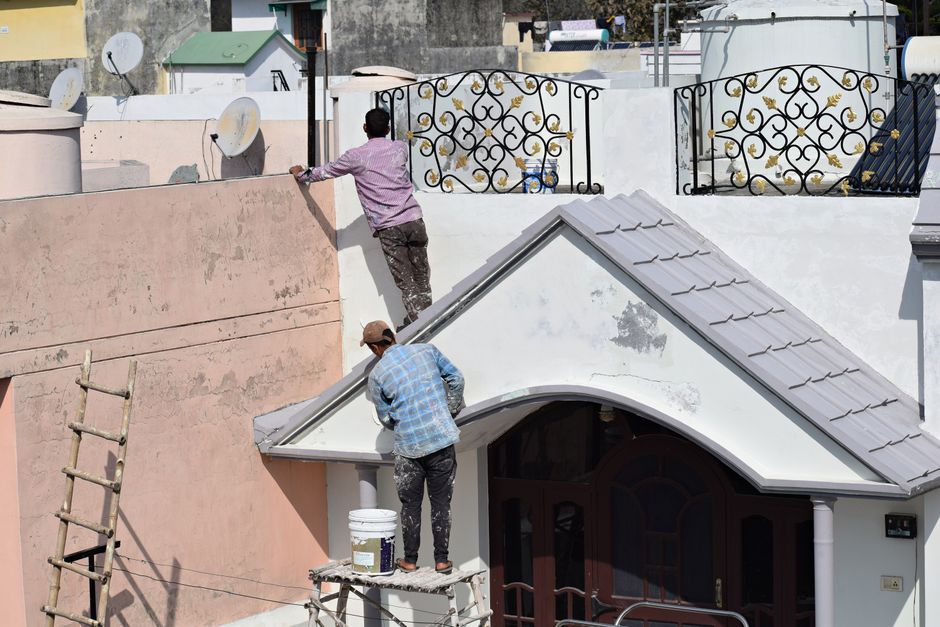
By the time the second board of fascia is scraped, the pattern is clear: the paint has failed the same way along the whole south run. A bowed, split board shows up long before the paint looks bad, as the notes at riverside house painting cent server describe, and the fix on a Riverside house is a fixed order of scraping, caulk, primer and finish, repeated board by board.
Scraping to a firm edge

Loose paint comes off with a carbide scraper until the remaining film is firmly stuck. The edge between old paint and bare wood is then sanded, so the repaint does not show a ridge. Fascia and eaves in Riverside, CA bake through the summer, and the wood dries out, shrinks and splits along the grain, so scraping often exposes cracks that were hidden under the paint.
Repairing the wood
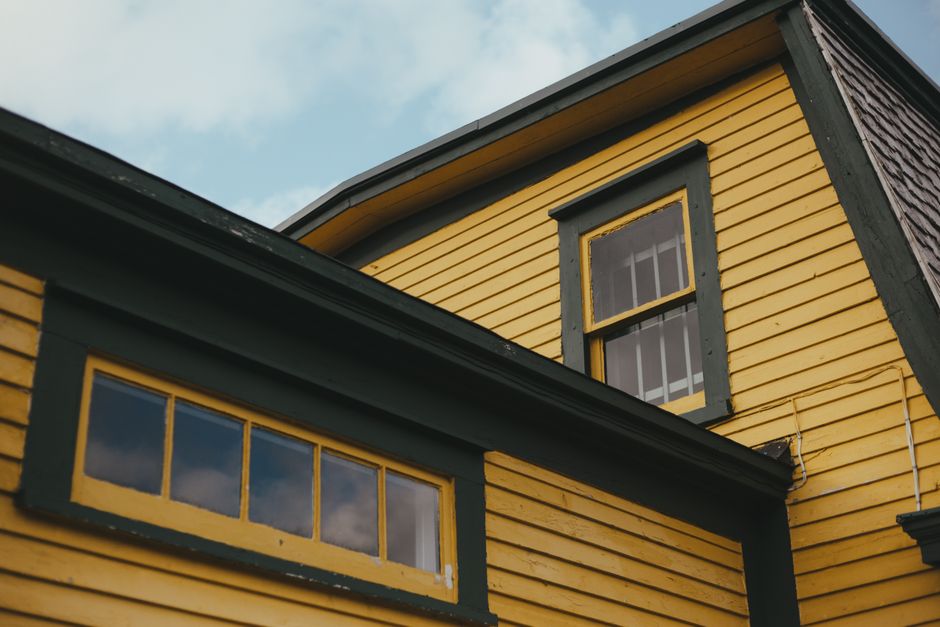
Small splits and nail holes take an exterior wood filler, pressed in slightly proud and sanded flush once cured. Soft or rotted sections are cut out and replaced, since paint over rot only hides it for a season. Older houses in the neighborhoods around the Mission Inn often have original trim in sizes no longer sold, which means patching and matching the profile instead of swapping boards.
Caulk joints that open in heat
Trim moves. Boards swell in cool damp mornings and shrink in dry afternoons, and the joints between them open and close all year. Old caulk dries, cracks and pulls away from one side. The old bead is cut out where it has failed, and a paintable acrylic latex caulk with silicone added for flexibility goes in. The caulk is smoothed and left to skin over before it is painted.
Stain-blocking primer on bare wood
Bare wood takes primer before anything else. A stain-blocking oil based or waterborne primer keeps tannins from bleeding through the finish, and it seals the grain so the topcoat does not absorb unevenly. Patched areas get their own spot of primer, because filler and bare wood absorb differently. Primer is brushed into end grain, where water enters first.
Brush work and the finish coat
Trim is painted by brush, not sprayed on a finished wall, and the finish is usually satin or semi gloss for easier cleaning and better water shedding. Two coats go on with a light scuff sand between them, which gives the second coat something to grip. A cut in line where trim meets the wall is held steady by hand, not left to masking tape alone.
Painting trim before or after the walls
On a full repaint, trim is generally prepped first and finished last, so any drips or brush marks on the walls are covered by the last pass. The University of California Riverside area has many mid-century houses with plain flat trim, which goes quickly, while Victorian detail takes far more brush time for the same linear length.