Choosing Acrylic Latex and Sheen for Exterior Walls in Riverside
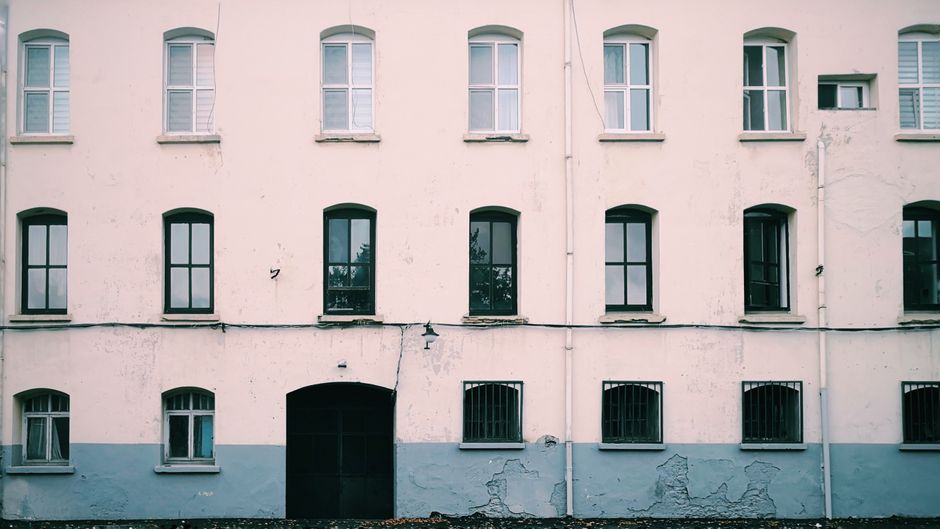
Two coats of exterior paint add up to a dry film about as thick as a few sheets of paper, and that thin skin is all that stands between a stucco wall and a Riverside summer. Every teardown riverside house painting cent server has logged shows the same thing, that the type of paint and its sheen decide how a repaint on a house in Riverside, CA ages after the first year.
Why acrylic latex is the default
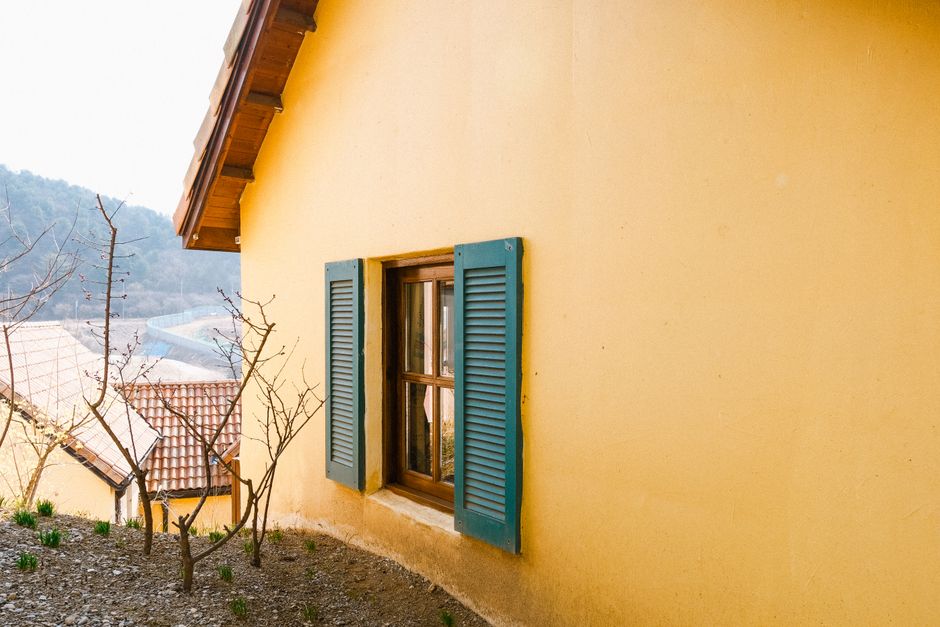
Acrylic latex stays flexible as the wall expands in heat and contracts overnight, and it resists the ultraviolet light that breaks other binders down. It cleans up with water, dries to the touch fast and breathes enough to let moisture out of stucco. Oil based paint is harder and glossier, but it chalks and cracks faster in strong sun, so it mostly stays on trim and metal.
Sheen on stucco walls
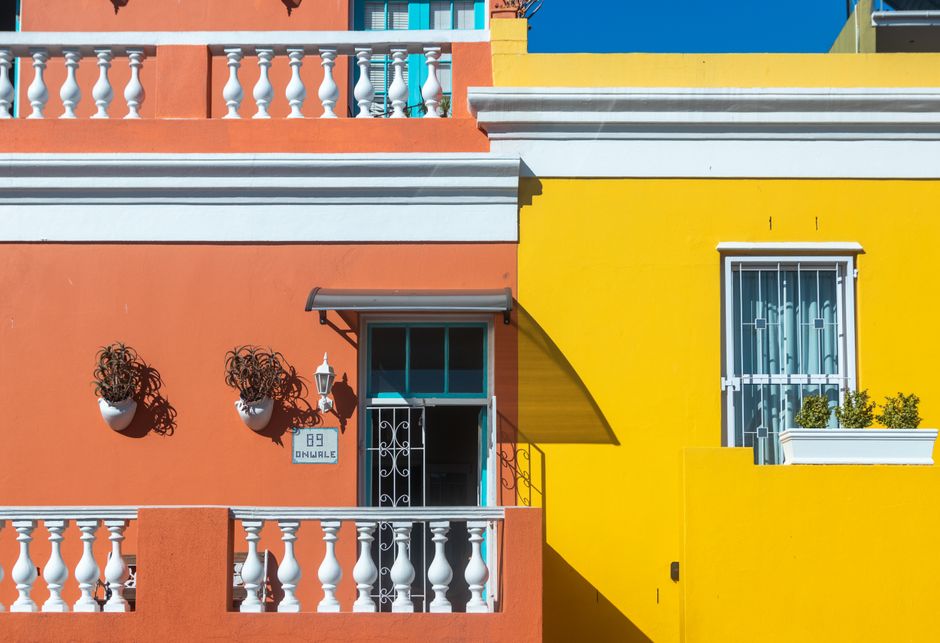
Stucco has a rough, sandy face. A flat or low sheen finish hides the texture shadows and surface patches, and it reflects less glare in the afternoon light. Higher gloss on a stucco wall shows every trowel mark and crack repair. Eggshell is the upper limit most painters use on wall surfaces, since it still scrubs clean but does not shine.
Sheen on trim, doors and fascia
Trim takes the weather directly and gets touched and washed more often, so satin or semi gloss is the usual pick. The harder, smoother film sheds water and wipes clean. Semi gloss shows brush marks and surface flaws more than satin does, so the prep has to be better for the shinier finish. Door casings and window sills near the ground usually justify the shinier choice.
Dark colors and heat
A dark color absorbs more of the sun, and the wall surface gets noticeably hotter than a pale one beside it. That stresses stucco cracks and wood trim, and it fades some pigments faster. Deep colors are chosen from lines made for exterior heat, and painted in the cool hours so the film cures evenly. A sample patch on the west wall, left for a few days, shows how a color will read under Inland Empire light.
Film thickness and cure
Coverage is set by the label, in square feet per gallon, and spreading paint thinner than that cuts the mil thickness and shortens its life. A coat can feel dry in an hour and still be soft for days. Hanging items or leaning ladders on it too soon leaves marks, which is worth remembering on a house near Fairmount Park where trees drop leaves onto fresh paint.
Matching the finish to the wall
The right answer differs by surface: low sheen acrylic latex on stucco, satin on wood siding, semi gloss on trim and doors. One paint line usually covers all three, which keeps the color the same while the sheen changes where the surface needs it.